The day we stopped shooting

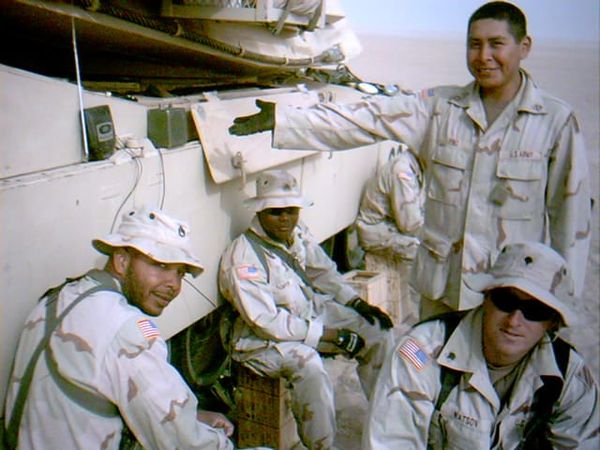
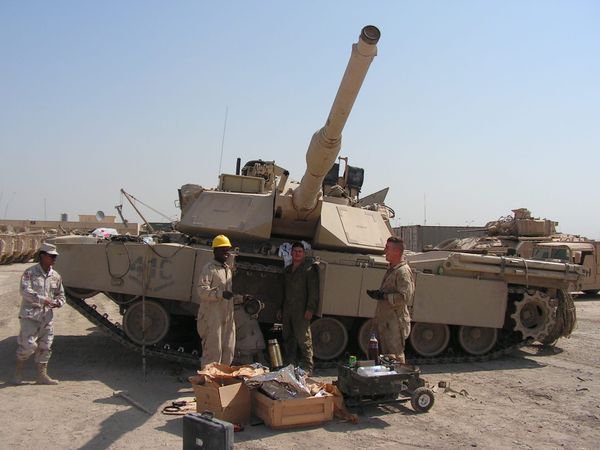
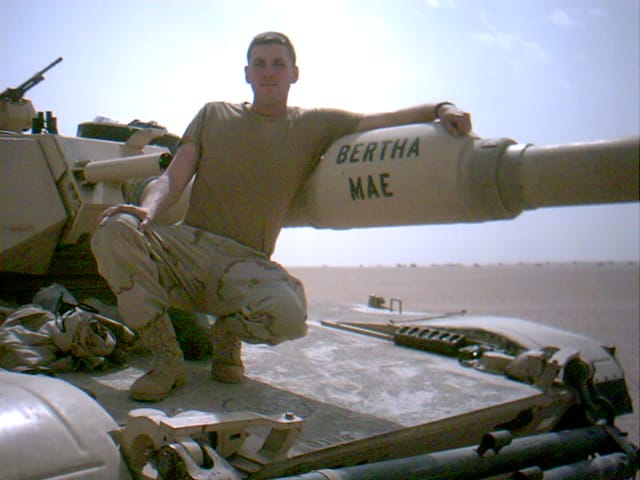
There was an odd silence after I talked about the day we stopped shooting in Iraq in 2003.
So I explained.
There was the day we stopped shooting,
and the day we were told to stop shooting.
Those were not the same day.
The day we stopped shooting came when the fight was already over. Not on paper, not in the headlines, on the ground, in the first dust and sand. The enemy no longer had the ability or will to stand and fight. That silence was earned. It came from exhaustion of the ideological fools, not technology or policy.
Then came the order.
When politicians tell warriors to stop shooting, it isn’t always about peace. It’s about narrative. About freezing the story at a clean, convenient moment. War is messy, and bullets fired after victory complicate headlines. One of my worst memories was watching looters kill each other for scraps from that fallen palace because I was ordered to not shoot anymore. Those that think war crimes are only committed by those in uniform have never had to respond to a disaster and seen what neighbors will do to each other in a fractured society.
So they drew a line and called it the end.
But war doesn’t end on command.
The body doesn’t relax. The responsibility doesn’t disappear. You’re still dangerous. Still accountable. Just suddenly restricted. It creates a different kind of tension one that follows you home. It makes you feel safe when there is chaos because silence beckons questions your soul asks.
That silence stays with you.
It lives in the gap between capability and permission. Between what you know is true and what you’re allowed to say. Between action and restraint.
That’s where Spartan Code exists.
It isn’t about glorifying war. It’s about internal discipline when external authority fades. About having a code when orders stop making sense. About governing yourself when no one else is issuing commands.
The Spartans understood this. Their code wasn’t situational. It didn’t change with politics. It lived inside the warrior.
Modern warriors aren’t taught that transition. We’re trained to follow orders, then expected to just switch it off. Many don’t. Some fracture in the silence after coming home. I can't lie, it gets harder the more I talk about it. Can you answer to the echo in my soul that asks "was it worth it?"
There was the day we stopped shooting.
And the day we were told to stop.
One was earned.
The other was declared.
A warrior has to live with both.
That’s what a code is for.